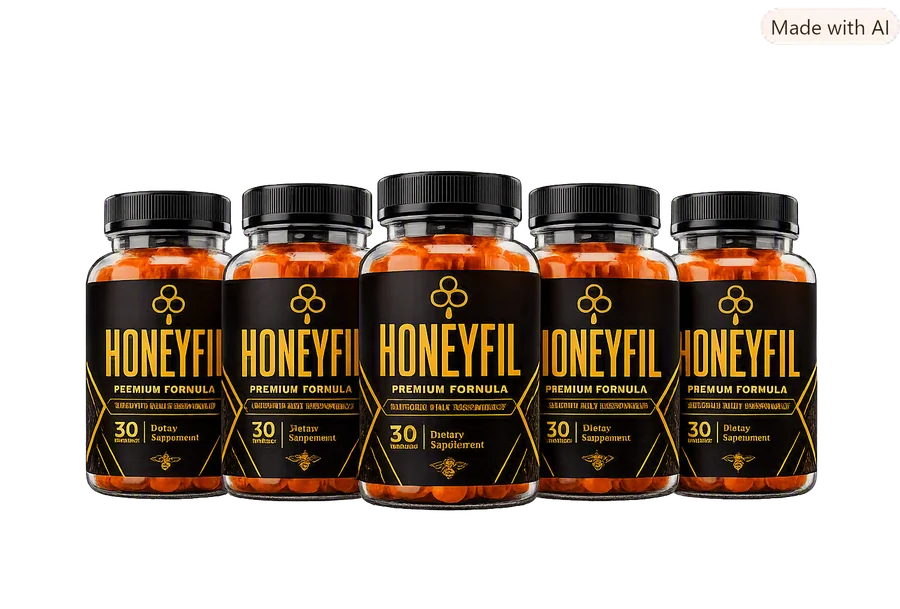
Undisclosed Dosing: Why Milligrams Matter More Than The Marketing Copy
A label that names ingredients without stating per-serving amounts tells you what is in the product but not whether there is enough of anything to matter.
It is common across this entire supplement category, not unique to any single brand — which is exactly why it is worth understanding as a buyer, regardless of which product you are looking at.
The two ways a label can name an ingredient
Quantified: listed with a stated weight, like ‘Zinc 15 mg’. You can compare that directly against research doses and daily intake guidelines.
Named only: the ingredient appears on the page, sometimes with a standardisation claim (like ‘45% saponins’), but with no stated weight. You know it is present. You do not know how much.
Why manufacturers do this
The most common stated reason is formula protection — not disclosing exact amounts makes a blend harder for competitors to copy exactly. That argument carries more weight for a genuinely novel combination than for a roster of well-known ingredients that already appear across dozens of competing products.
The less charitable possibility, which applies to some products in this category though we cannot confirm it applies to any specific one, is that undisclosed amounts make it harder to notice when an expensive headline ingredient is present in a token quantity — a practice sometimes called fairy dusting.
What you can still do without the number
Check if a trademark or standardisation is named. ‘KSM-66® ashwagandha’ or ‘standardised to 45% saponins’ is more specific than a bare ingredient name, even without a milligram figure — it at least tells you which version of the ingredient you are getting.
Compare against typical research doses. If published trials on an ingredient generally use 300–600 mg and a whole multi-ingredient gummy weighs a fraction of that, you can infer the ceiling even without an exact figure.
Ask the seller directly. A direct email asking for the supplement facts panel or per-serving breakdown is a reasonable, low-effort step before ordering anything you plan to take daily for months.
Applying this to HoneyFil
We looked for a supplement facts panel with per-gummy amounts on HoneyFil's publicly available pages and did not find one. All eight ingredients are named; none carry a stated weight. Two — KSM-66® ashwagandha and Testofen® fenugreek — at least carry named trademarks and standardisation claims, which is more specific than nothing, but still short of a milligram figure.
Our recommendation, consistent with the advice above: if per-gummy dosing genuinely matters to your decision, contact the seller and ask before you order rather than after. See our full 90-day assessment for how this weighs against the formula's genuine strengths.