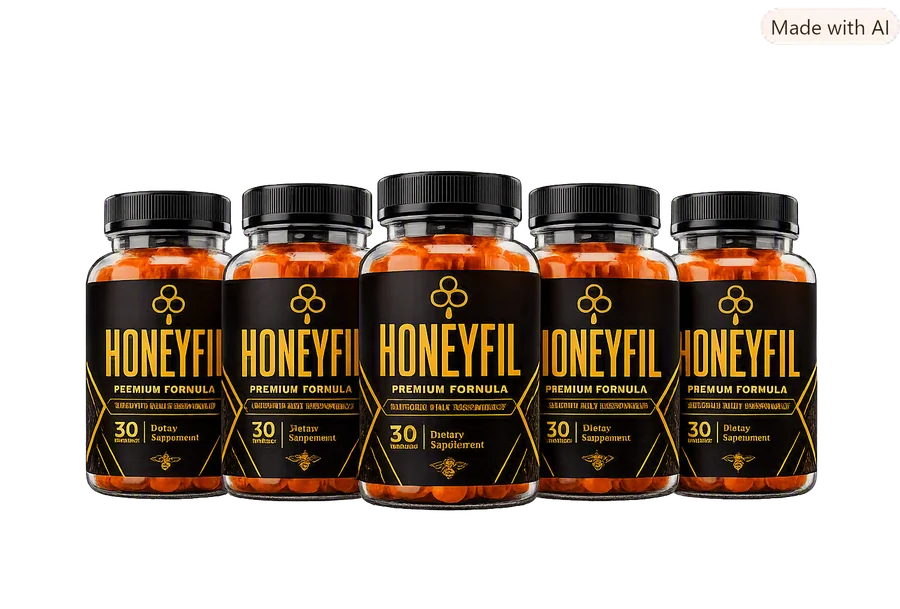
Zinc, Vitamin D And Testosterone: The Clearest Evidence In This Formula
Of the eight ingredients HoneyFil names, zinc and vitamin D3 have the most consistent human research connecting them to testosterone — specifically in men who are deficient.
That qualifier matters enormously and is usually left out of marketing copy entirely.
Why these two, specifically
Botanicals like tribulus, maca and ginseng carry centuries of traditional use but a genuinely mixed modern evidence base. Zinc and vitamin D3 are different: both are essential nutrients with a well-documented biological role in testosterone synthesis, and both have research directly connecting correction of a deficiency to improved testosterone levels.
Zinc's role
Zinc is required for the enzymatic processes involved in testosterone production, and zinc deficiency is associated with lower testosterone in multiple studies. Research indexed on PubMed covers this relationship in more depth.
HoneyFil uses zinc bisglycinate, a chelated form generally absorbed more efficiently than cheaper inorganic zinc salts such as zinc oxide, which is a reasonable formulation choice on the manufacturer's part.
Vitamin D3's role
Vitamin D functions more like a hormone than a classic vitamin in the body, and receptors for it appear in tissue involved in testosterone production. Multiple studies have found associations between vitamin D status and testosterone levels, with correction of deficiency in some (not all) trials producing modest testosterone increases. See the NIH Office of Dietary Supplements fact sheet.
Vitamin D deficiency is also, separately, extremely common — a meaningful share of adults in northern latitudes or with limited sun exposure run low, which is part of why this ingredient is a sensible inclusion in a general men's wellness formula.
The qualifier that changes everything
How to actually know if this applies to you
A basic blood panel from your doctor can check both zinc and vitamin D status directly. That is a more precise way to know whether these two ingredients are likely to help you specifically than simply trying a supplement and waiting.
Applying this to HoneyFil
Both nutrients are present in HoneyFil's formula, unquantified like the rest of the ingredient list. If you already know you are deficient in either, these two ingredients alone make a reasonable case for trying a broader formula like this one. If your levels are already adequate, this is the part of the formula least likely to move the needle for you specifically.